Aluminum Car Trash Can: Small Upgrade, Big Clean
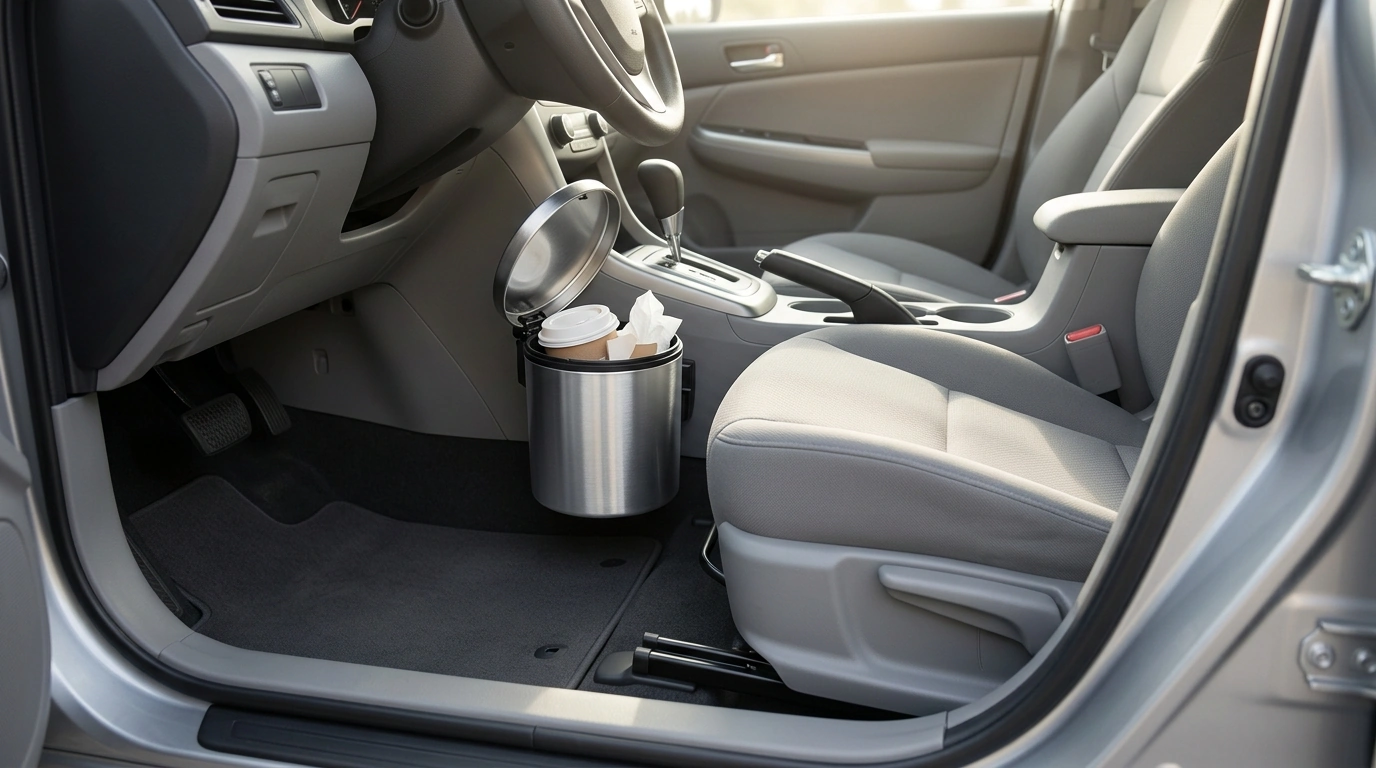
Aluminum Car Trash Can: A Simple Upgrade for a Cleaner, Calmer Ride
A small, sturdy trash can inside the car helps keep cups, receipts, wrappers, and tissues from drifting across seats and floor mats. An aluminum body adds a neat look, resists odors better than soft bins, and is easy to wipe down—useful for daily commutes, rideshare driving, family trips, and anyone who wants a cleaner cabin with less hassle.
Why a dedicated car trash can makes driving feel easier
Most in-car mess starts with tiny “I’ll deal with it later” items: a coffee lid, a parking receipt, a straw wrapper, a napkin. Without a consistent place for those bits, they migrate into door pockets, cup holders, and the footwells—exactly where they’re most annoying when you’re trying to focus.
- Keeps clutter contained so loose items don’t end up under pedals or rolling into seat tracks.
- Reduces mess-related distractions by giving passengers a clear “drop spot” for small waste.
- Helps protect upholstery and carpets from sticky residues and crumbs.
- Encourages quick cleanups at fuel stops or when parking—empty, wipe, and go.
Less loose clutter also supports safer driving habits. Distracted driving can include anything that takes attention away from the road, even brief moments spent searching around the cabin for something that should’ve had a home. For a practical refresher, see the NHTSA’s guidance on distracted driving.
What aluminum brings to the table
Car trash cans come in a lot of forms—fabric bins, cup-holder cups, hanging bags—but aluminum stands out when you want something that looks intentional and stays easy to maintain.
- Hard-sided structure holds its shape and looks tidy even when not full.
- Wipe-clean surface: spills and smudges are easier to remove than on fabric bins.
- Odor control support: non-porous metal doesn’t trap smells the way some soft materials can.
- Durability for frequent emptying—useful for rideshare, delivery driving, or kids’ snacks.
Aluminum vs. other common car trash can styles
| Style | Best for | Trade-offs to consider |
|---|---|---|
| Aluminum (hard-sided) | Daily use, quick wipe-down, a clean look | Can rattle if not secured; may show fingerprints depending on finish |
| Fabric bin | Lightweight, foldable storage | Can absorb odors; harder to deep-clean after spills |
| Plastic cup-style | Simple cup holder placement | May be small; can tip if not snug |
| Hanging bag | Backseat passenger use | Can swing; may drip if liquids are tossed in |
Placement ideas that work in most vehicles
The best location is the one that’s easy to reach and doesn’t interfere with driving controls. Before committing to a spot, slide seats forward and back, check seat-track clearance, and confirm nothing blocks your ability to brake, shift, or access the parking brake.
- Front area: place where it’s reachable but doesn’t interfere with shifting, pedals, or parking brake.
- Center console zone: convenient for the driver and front passenger; check lid clearance.
- Backseat access: helpful for families—position so passengers can use it without leaning into the front.
- Trunk or cargo area: useful for longer trips or larger trash bags; pair with a smaller cabin bin for daily bits.
If you routinely carry takeout, consider a two-bin approach: a compact can up front for receipts and wrappers, and a larger bag in the trunk for bulk trash at the end of the day.
How to use it day to day (without turning it into a chore)
A car trash can should reduce work, not create it. The easiest routines are the ones that “stack” onto what already happens—refueling, charging, or unloading bags.
- Line it: a small bag or liner makes emptying faster and keeps the interior cleaner.
- Separate wet and dry: avoid tossing open liquids; keep wet wipes or cups sealed to prevent odors and leaks.
- Set a routine: empty during refuels, charging stops, or every few days to prevent smells.
- Keep a tiny “cleanup kit” nearby: a few napkins, spare liners, and a small sanitizer for quick resets.
For drivers who eat in the car, a dedicated bin also supports better litter habits in general. The EPA’s overview on preventing litter is a helpful reminder that small items add up quickly when they don’t have a proper place.
Care and cleaning for an aluminum interior accessory
Aluminum is low-maintenance, but a few simple habits keep it looking sharp and smelling neutral.
A practical pick for keeping the cabin neat
For a simple, durable upgrade, the Aluminum Car Trash Can is a compact option designed to keep everyday waste contained and easy to remove. It’s especially handy for commuters, rideshare drivers, and families who want less clutter between full cleanings.
Pairing your bin with a small tool for crumbs can make quick resets feel effortless. The Soft Bristle Long Handle Shoe & Clothes Cleaning Brush works well for brushing debris out of seams, mats, and around seat rails—ideal right before emptying the trash can at a stop.
FAQ
Where should a car trash can go so it doesn’t get in the way?
Place it within easy reach but clear of pedals, the shifter’s full range of motion, airbags, and seat tracks. The center console area or a stable passenger-side spot often works well, as long as it can’t slide into driving controls.
How often should it be emptied to prevent odors?
Empty it every few days or during fuel/charging stops, and do it more often if you toss food waste. Using a liner and avoiding open liquids helps prevent lingering smells between cleanouts.
What’s the easiest way to clean an aluminum trash can?
Wash with mild soap and water, then wipe and dry completely to prevent water spots and stale odor. Avoid harsh abrasives that could scratch the finish, and let it air out after any messy spills.















Leave a comment