Korean Double-Sided Cotton Bibs for Teething Toddlers
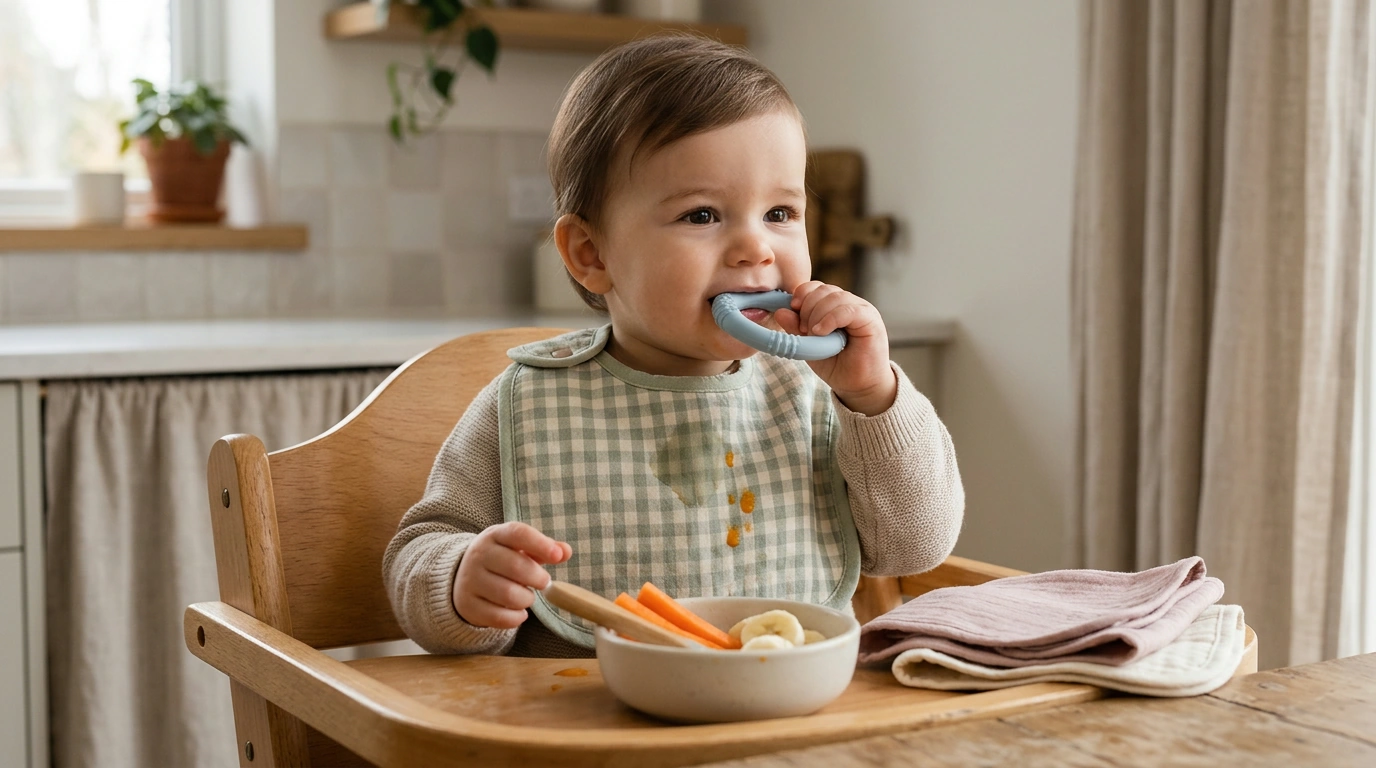
Cute Korean Cotton Baby Bibs: Double-Sided Soft Saliva Towels for Toddlers
Daily drool, spit-up, and snack time drips can add up fast. Double-sided cotton bibs help keep outfits drier, reduce skin irritation around the neck and chest, and make quick changes easier—especially during teething and early self-feeding. When a bib works like a soft “saliva towel,” it can help manage the constant moisture that shows up between bottles, teethers, and tiny sips that miss the mark.
What Makes Double-Sided Cotton Bibs So Practical
Double-sided bibs are designed for real-life days when laundry piles up quickly and outfit changes feel nonstop. Instead of treating a bib as a single-use accessory, two usable sides can help stretch each wear a bit longer while still keeping baby comfortable.
- Two usable sides helps extend wear between swaps during a busy day—especially helpful when you’re out and only packed a couple extras.
- Cotton’s gentle feel is commonly chosen for breathability and softness against sensitive skin.
- Saliva-towel coverage can protect clothing and reduce moisture sitting on the skin for long periods (a common trigger for redness around the neck folds).
- More than drool protection: useful for bottles, purees, finger foods, and those “learning to sip” moments.
Comfort and Skin-Friendly Details to Look For
Comfort matters as much as coverage. Bibs that rub, trap heat, or stay damp too long can turn into a daily irritation—particularly during teething when drool can be constant.
- Soft seams and edges that won’t scratch or rub the neck during crawling, stroller rides, or car-seat time.
- Breathable fabric to help limit trapped heat and sweat around the collar area.
- Reliable absorbency that handles small dribbles and bigger teething surges without soaking through immediately.
- Secure, comfortable closures that stay put without pinching; look for smooth contact points that lie flat against the skin.
For teething and drool basics, guidance from pediatric sources can be helpful. See the American Academy of Pediatrics resource on drooling and teething at HealthyChildren.org.
Fit Guide: Getting Coverage Without Bulk
The best bib fit is the one that catches moisture where it lands—without restricting movement or bunching under the chin. A good fit also reduces gapping so drool doesn’t sneak underneath and sit against the skin.
- Aim for upper-chest coverage where drool typically gathers, while keeping shoulders free for active play.
- Check the neck opening: snug enough to reduce gaps, but not tight enough to leave marks.
- Toddler-ready fit should handle extra movement and the occasional tug during meals.
- Rotate and refresh: rotate bib position and keep the skin dry to help reduce drool rash risk.
Quick Fit & Use Checklist
| Check | What to look for | Why it helps |
|---|---|---|
| Neck comfort | No redness after wear; closure lays flat | Reduces irritation during long wear |
| Chest coverage | Covers upper chest and collar line | Catches drool and drips before clothing |
| Absorbency | Handles teething drool without immediate soak-through | Helps keep skin and outfits drier |
| Movement | Doesn’t bunch under chin or restrict arms | Better for crawling, play, and meals |
| Easy swaps | Simple closure and washable fabric | Faster changes throughout the day |
Care and Washing Tips for Cotton Bibs
Cotton bibs are typically easy to care for, but a few routines can help keep them soft, absorbent, and ready for frequent rotation.
- Rinse or pre-soak after heavy puree, formula, or juice spills to reduce staining and lingering odors.
- Choose gentle detergent (often fragrance-free works well for sensitive skin) and avoid harsh fabric softeners that can reduce absorbency.
- Dry with care: air-dry or tumble dry low when possible to help preserve softness over time.
- Keep a rotation: having multiple clean bibs ready reduces the chance of reusing a damp one (which can contribute to irritation).
If you’re looking for broader feeding and mealtime safety guidance, the CDC’s infant and toddler nutrition resources are a dependable starting point: CDC – Infant and Toddler Nutrition.
Safe Use Basics During Meals and Teething
Bibs are simple, but safe habits matter—especially once toddlers start grabbing at whatever’s within reach.
- Supervise during feeding, and remove bibs during sleep unless a pediatric professional has advised otherwise.
- Inspect closures regularly so the bib stays secure without becoming a choking or entanglement risk.
- Take “dry breaks” if skin stays damp under the bib; pat the area dry and use a pediatrician-recommended barrier cream when needed.
- Replace worn bibs that develop rough edges, damaged stitching, or closures that no longer fasten reliably.
For general product safety updates and recalls, the U.S. Consumer Product Safety Commission (CPSC) is a trusted resource.
Product Options (In Stock)
- Cute Korean Cotton Baby Bibs Double-Sided Soft Saliva Towel for Toddlers – A budget-friendly everyday bib option designed for comfort and frequent use, especially during teething, bottle feeding, and early self-feeding.
- Soft Bristle Long Handle Shoe & Clothes Cleaning Brush – Handy for gentle spot-cleaning on fabrics (use light pressure), helping lift dried-on food smudges before washing.
At-a-Glance
| Item | Price | Availability |
|---|---|---|
| Cute Korean Cotton Baby Bibs Double-Sided Soft Saliva Towel for Toddlers | 8.51 USD | In stock |
FAQ
Are double-sided bibs actually more absorbent?
They can manage moisture longer because you have two usable sides, but absorbency still depends on the fabric thickness and how quickly the bib is changed. For comfort, swap bibs once they feel damp against the skin.
How often should a drool bib be changed during teething?
Change it as soon as it feels damp or after messy feeds. Frequent swaps help keep skin drier and can lower the chance of irritation or drool rash.
Can toddlers wear bibs outside of mealtime?
Yes—many toddlers wear them during drooly phases to protect clothes from spit-up and dribbles. Keep supervision in mind, avoid bib use during sleep, and check that the fit and closure stay comfortable throughout the day.















Leave a comment