Best Non-Slip Bathroom Floor Mat: Safe Options & Tips
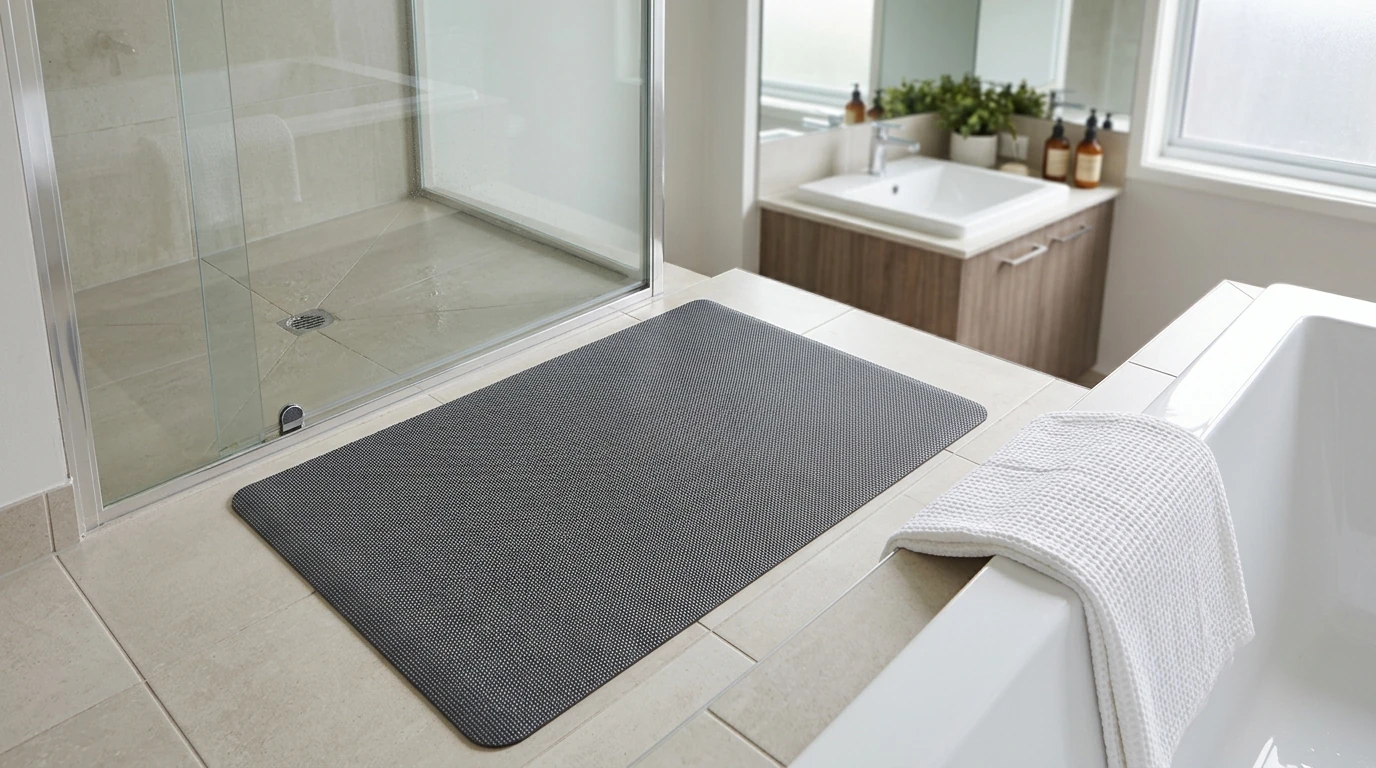
What is the best non-slip mat for a bathroom floor?
The best non-slip mat for a bathroom floor is one that grips the surface securely when wet, stays flat without curling, and drains water so the top doesn’t turn slick. For most homes, a textured rubber or PVC mat with strong suction cups (for smooth tile or fiberglass) or a high-traction rubber-backed mat (for textured floors) offers the safest, most dependable footing.
What to look for in a bathroom non-slip mat
Floor compatibility: Suction-cup mats work best on smooth, non-porous floors. If the floor is textured, the suction cups can’t seal well, so a rubber-backed, non-skid bath mat with a grippy underside is usually the better choice.
Drainage and texture: Mats with raised patterns, channels, or perforations help move water away from where you stand. A slightly cushioned, textured top also improves traction for bare feet.
Mold resistance and easy cleaning: Pick a mat that can be rinsed and hung to dry quickly, or one that’s machine-washable if it’s a fabric-topped bath mat. Fast drying is key to preventing odor and mildew.
Right size for the risk area: Cover the space where you step out of the shower or tub, plus any frequently wet walkway (like in front of the sink). A mat that’s too small can be a slip hazard if you land half on and half off.
Where each type works best
Inside the tub or shower: Use a suction-cup bath mat designed for wet surfaces. It should lie flat and stay anchored even when you shift your weight.
Outside the tub or shower: Use an absorbent bath rug with a non-slip rubber backing to keep puddles from forming while staying planted on the floor.
For a deeper comparison of materials, placement, and care tips, see the complete guide here: https://peakdiscoveryzone.shop/what-is-the-best-non-slip-mat-for-a-bathroom-floor/.
FAQ
How do you keep a bathroom mat from getting moldy?
Rinse and hang it to dry after heavy use, keep the bathroom ventilated, and wash it regularly based on the manufacturer’s instructions. Choosing a quick-drying, mold-resistant material also helps prevent buildup.















Leave a comment